
By Dr. Michael Skarie, DVM
Veterinarian and Owner of Hess Ridge Animal Hospital
One of the most common questions we hear from pet owners is: “How often does my dog or cat actually need a dental cleaning?”
The answer is not the same for every pet. But one thing is consistent across the board:dental disease is extremely common, and it often develops earlier than most people expect.
Pet Dental Disease Starts Earlier Than You Think
Pet dental disease is often underestimated by pet owners, with many believing it primarily affects older animals. However, veterinary professionals emphasize that the onset of dental issues can begin much earlier in a pet’s life than many might expect. In fact, research shows that many dogs and cats develop some form of periodontal disease by the age of three. Periodontal disease is the most common clinical condition in dogs and cats, affecting the majority of pets by age three. This early onset can be attributed to various factors, including genetics, diet, and inadequate dental care. Just like humans, pets can accumulate plaque and tartar buildup over time, leading to gingivitis and more severe health complications if left untreated.
It’s crucial for pet owners to recognize the signs of dental disease as early as possible. Common indicators include bad breath, swollen gums, difficulty eating, and excessive drooling. Regular veterinary check-ups and dental cleanings are essential to catch these issues early. Additionally, at-home dental care, such as brushing and providing dental treats, can play a significant role in maintaining your pet’s oral health. By being proactive and informed about dental care, pet owners can help ensure that their furry companions enjoy a healthier, happier life, free from the discomfort and complications of dental disease.
Many dogs and cats begin developing dental disease by the time they are just a few years old. The challenge is that it doesn’t always look severe at first, and pets are very good at hiding discomfort.
By the time obvious signs appear, the disease is often already progressing beneath the surface.
A large portion of dental disease occurs below the gum line, where it cannot be seen during a simple visual exam. In many cases, what you see on the surface is only a small part of the overall problem.
So, How Often Do Pets Need Dental Cleanings?
There is no one-size-fits-all schedule, but most pets fall into a general range:
- Every 1 to 2 years for many dogs and cats
- More frequently for smaller breeds or pets prone to dental disease
- Less frequently for pets with excellent oral health and consistent home care
The key is not just time. It is what is happening in the mouth.
Some pets develop tartar and periodontal disease quickly. Others progress more slowly. That is why regular dental evaluations are so important.
What Determines How Often Your Pet Needs a Dental Cleaning?
Several factors influence how quickly dental disease develops:
Breed and Size
Smaller dog breeds tend to develop dental disease faster. Their teeth are more crowded, which allows plaque and tartar to build up more easily.
Genetics
Some pets are simply more prone to dental issues. Cats, for example, commonly develop conditions like tooth resorption that may not be visible without diagnostics.
Diet and Chewing Habits
Chewing on hard objects can sometimes lead to fractured teeth, especially in dogs. At the same time, lack of natural abrasion can allow plaque to accumulate more quickly.
Home Dental Care
Brushing your pet’s teeth and using dental products can slow the progression of disease, but it does not replace professional cleanings.
Existing Dental Disease
If dental disease is already present, cleanings may need to happen more frequently to prevent progression and keep your pet comfortable.
Why Waiting Too Long Can Be a Problem
Dental disease does not stay the same over time. It progresses.
As plaque and tartar build up, the gums become inflamed and infected. Teeth can become loose, fractured, or painful. Over time, this can lead to significant discomfort and changes in behavior.
In many cases, pets will:
- Eat more slowly or differently
- Chew on one side of the mouth
- Become less playful or more withdrawn
Because these changes are subtle, they are often mistaken for normal aging.
But in reality, they are frequently signs of chronic dental pain.
Dental Care Is About More Than Just the Mouth
The mouth is not isolated from the rest of the body.
When gums are inflamed or infected, bacteria can enter the bloodstream. From there, it can circulate to major organs, including the heart, liver, and kidneys.
That is why dental care is not just about clean teeth.It is about protecting your pet’s overall health.
Why Regular Dental Evaluations Matter
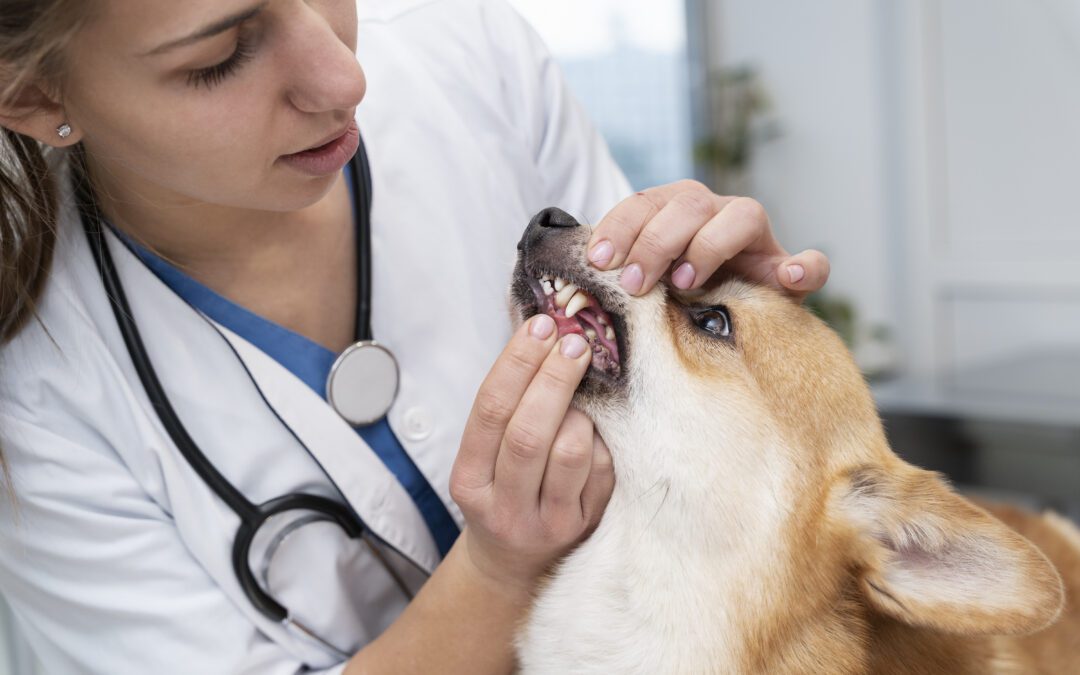
Because so much dental disease happens below the gum line, routine exams are one of the most important tools we have.
During a dental evaluation, we are not just looking at the surface of the teeth. We are assessing:
- Gum health
- Signs of infection
- Tooth stability
- Areas of potential pain
In many cases, diagnostics like dental x-rays are needed to fully understand what is happening beneath the surface.
Without that information, it is easy to miss problems that could continue to worsen over time.
What Happens When Pet Dental Disease Is Treated
When pet dental disease is treated, it can lead to significant improvements not only in the oral health of the animal but also in its overall well-being. Dental disease, often characterized by plaque and tartar buildup that leads to gingivitis and periodontal disease, can cause immense discomfort and pain for pets. Once treatment begins, which may include professional dental cleanings, extractions of affected teeth, or even specialized periodontal care, pet owners often notice immediate changes in their pet’s behavior. With pain alleviated, pets typically exhibit increased energy levels, improved appetite, and a restored sense of playfulness. This renewed vitality can be a heartening sign that the treatment is effective and beneficial for their health.
Beyond the immediate relief of oral discomfort, treating dental disease also contributes to long-term health benefits. Studies have shown that periodontal disease can be linked to systemic health issues, such as heart, liver, and kidney disease, as bacteria from the mouth can enter the bloodstream and affect other organs. By addressing dental issues proactively, pet owners can help mitigate these risks, leading to a longer, healthier life for their pets. Regular dental care—including professional cleanings and at-home dental hygiene practices—can further prevent the recurrence of dental disease, ensuring that pets not only avoid pain and discomfort but also maintain their overall health as they age. In essence, treating dental disease is a critical component of comprehensive pet care that enhances quality of life and longevity.
One of the most rewarding parts of dental care is seeing how pets improve afterward.
It is very common for owners to tell us:
- Their pet is eating better
- They have more energy
- They seem more like themselves again
This happens because dental treatment removes a source of chronic pain that pets often live with quietly.
In many cases, the difference is noticeable within just a couple of weeks.
The Best Approach: Stay Ahead of the Disease
Rather than waiting for visible signs, the goal is to stay ahead of dental disease.
That means:
- Scheduling regular dental evaluations
- Following your veterinarian’s recommendations for cleanings
- Monitoring for subtle changes in eating or behavior
Every pet is different, but with the right plan in place, dental disease can be managed before it becomes a larger problem.
When Should You Schedule Your Pets Dental Evaluation?
If you are unsure when your pet last had their teeth evaluated, it is a good time to start the conversation.
You should consider scheduling an exam if you notice:
- Bad breath
- Changes in eating habits
- Visible tartar buildup
- Red or inflamed gums
- Behavioral changes
Even without obvious signs, routine evaluations are an important part of preventive care.
Frequently Asked Questions About Pet Dental Cleanings
How often should dogs have dental cleanings?
Most dogs benefit from professional dental cleanings every 1 to 2 years. However, smaller breeds or dogs prone to dental disease may need cleanings more frequently. The best schedule depends on how quickly plaque and tartar build up and what your veterinarian sees during exams.
How often should cats have dental cleanings?
Cats typically follow a similar timeline of every 1 to 2 years, but some may require more frequent care. Conditions like tooth resorption can develop beneath the gum line and may not be visible without a full dental evaluation.
Can I wait until I see bad breath or visible tartar?
It is not recommended. By the time you notice bad breath, tartar buildup, or visible changes, dental disease is often already advanced. Much of the disease occurs below the gum line where it cannot be seen.
Do pets always need dental cleanings every year?
Not always. Some pets with excellent oral health and consistent home care may go longer between cleanings. Others may need them more often. Regular dental exams help determine the right timing for your individual pet.
Does brushing my pet’s teeth replace professional cleanings?
Brushing and at-home care are very helpful and can slow the progression of dental disease. However, they do not replace professional cleanings, especially when disease develops below the gum line.
How do I know if my pet is due for a dental cleaning?
Common signs include bad breath, changes in eating habits, chewing on one side, or behavioral changes. However, even pets without obvious symptoms can still have dental disease. Routine evaluations are the best way to determine when a cleaning is needed.
What happens if my pet goes too long without a dental cleaning?
Dental disease will continue to progress. This can lead to pain, infection, loose or fractured teeth, and potential effects on overall health. Addressing dental issues early is much easier than treating advanced disease later.