By Dr. Michael Skarie, DVM
Owner of Hess Ridge Animal Hospital
When pet owners in Parker, CO hear “dental cleaning,” they often think of it as optional or cosmetic. Something that helps with bad breath or makes teeth look better.
But the reality is very different.
Dog and cat dental cleanings are medical procedures, not cosmetic treatments. They play a critical role in your pet’s overall health, comfort, and quality of life—especially here in Colorado, where pets are active and often hide discomfort well.
So, is pet dental cleaning worth it?
In most cases, absolutely. And here is why.
The Hidden Truth About Pet Dental Disease in Parker, CO and Surrounding Areas
When it comes to pet health, dental disease often lurks in the shadows, overlooked by many pet owners in Parker, Castle Rock, Lone Tree, Highlands Ranch, Aurora, and nearby communities. Yet, the reality is that oral health is crucial to your pet’s overall well-being. Just like humans, pets are susceptible to a range of dental issues, from plaque and tartar buildup to periodontal disease, which can lead to pain, tooth loss, and systemic health problems. In fact, studies indicate that by the age of three, a staggering 80% of dogs and 70% of cats have some form of dental disease. This silent epidemic often goes unnoticed until it manifests in severe health complications, making regular dental care paramount.
The hidden truth about pet dental disease lies not only in its prevalence but also in its far-reaching implications. Poor dental hygiene can contribute to serious conditions, including heart, liver, and kidney disease, as bacteria from infected gums can enter the bloodstream, affecting vital organs. Additionally, pets suffering from dental pain may exhibit behavioral changes, such as loss of appetite or increased irritability, which can easily be mistaken for other health issues. To combat this insidious problem, pet owners in Parker and the surrounding Colorado communities should prioritize regular dental check-ups, ensure proper at-home oral care, and be vigilant for any signs of dental distress. By taking proactive measures, you can help your furry companions enjoy a longer, healthier life—free from the burdens of untreated dental disease.
One of the biggest misconceptions about pet dental care is that you would know if something is wrong.
The truth is, most dogs and cats are living with dental disease long before owners notice anything.
In fact, the majority of pets develop some level of dental disease by age three.
What makes this even more concerning is that pets are extremely good at hiding pain.
Instead of obvious signs, you may notice subtle changes like:
- Eating more slowly
- Chewing on one side
- Becoming less playful
- Acting more withdrawn
Many owners assume these changes are just part of aging.
In reality, they are often signs of chronic dental pain.
Dental Pain in Dogs and Cats Is More Serious Than You Think
Dental disease is not just about dirty teeth. It is often a source of ongoing pain.
Veterinarians regularly see pets that:
- Avoid eating or eat differently
- Prefer softer food
- Drop food while chewing
- Become less active or less social
Because these changes happen gradually, they are easy to overlook.
But once dental disease is treated, the difference is often dramatic.
Many pet owners in Parker and nearby areas report that their dog or cat:
- Has more energy
- Eats better
- Acts more playful
- Seems like themselves again
What they are seeing is the removal of chronic pain that their pet had been living with quietly.
Why Dog and Cat Dental Cleaning Is About More Than Teeth in the Colorado Altitude
When it comes to pet health, many owners in Parker and the surrounding Colorado communities may overlook the importance of dental cleaning, assuming it’s merely a cosmetic concern. However, the truth is that dog and cat dental cleaning goes far beyond just maintaining a bright smile and fresh breath. Poor dental hygiene can lead to significant health issues that affect not only the mouth but also the entire body. For instance, neglecting a pet’s oral health can result in periodontal disease, which is not just painful for pets but can also lead to systemic problems such as heart, liver, and kidney diseases. Bacteria from infected gums can enter the bloodstream and cause inflammation in these vital organs, leading to severe health complications and even shortening your pet’s lifespan.
Furthermore, regular dental cleaning plays a crucial role in your pet’s overall well-being. Just like in humans, dental disease can impact a pet’s quality of life, causing pain, difficulty eating, and reduced energy levels. Behavioral changes, such as increased irritability or reluctance to play, often signal underlying dental issues. This is especially important for active pets in Parker, CO, where the outdoor lifestyle and higher altitude can place additional demands on your pet’s health. By investing in professional dental cleanings at Hess Ridge Animal Hospital and establishing a routine home care regimen, pet owners can help prevent these potential health risks. Beyond the physical benefits, maintaining proper dental hygiene can improve your pet’s mood and vitality, enabling them to lead a happy and active life. Ultimately, prioritizing dental care is essential not only for ensuring your furry friend has healthy teeth but also for safeguarding their overall health and happiness.
Pet dental cleaning is not just about improving appearance. It is about treating disease.
When plaque and tartar build up, they lead to inflammation and infection in the gums. Over time, this can cause:
- Periodontal disease
- Loose or fractured teeth
- Painful infections
But the impact does not stop in the mouth.
Bacteria from dental disease can enter the bloodstream through inflamed gums. Once in circulation, it can affect major organs such as:
- The heart
- The liver
- The kidneys
This is why veterinary dental care at Hess Ridge Animal Hospital is considered an important part of your pet’s overall health, not just oral health.
What Happens If You Skip Dental Cleanings
Dental disease does not stay the same. It progresses over time.
Without proper treatment, pets may experience:
- Increasing pain and discomfort
- Difficulty eating
- Tooth loss or fractures
- Ongoing infection
In advanced cases, pets may avoid chewing altogether because it is too painful.
Because pets rarely show obvious signs of pain, many owners in Parker and nearby communities do not realize how severe the problem has become until it is advanced.
Addressing dental disease early is significantly easier and more comfortable for your pet than waiting.
Common Dental Problems in Dogs vs Cats
Dogs and cats tend to develop different types of dental issues.
In dogs, veterinarians commonly see:
- Fractured teeth from chewing hard objects like bones or antlers
- Periodontal disease, especially in smaller breeds
In cats, one of the most common conditions is:
- Tooth resorption, a painful process where the tooth breaks down and exposes sensitive areas
In both dogs and cats, much of the disease occurs below the gum line, where it cannot be seen without proper diagnostics.
Why Pet Dental Cleaning Often Leads to Immediate Improvement
One of the most common things veterinarians hear after a dental procedure at Hess Ridge Animal Hospital is:
“My pet is acting like themselves again.”
This happens because dental treatment removes a constant source of pain.
After treatment, pets often:
- Eat more comfortably
- Gain energy
- Become more social
- Return to normal behavior
Even pets that require extractions typically do better afterward. A pet with a comfortable mouth will almost always eat better than a pet with painful teeth.
Addressing a Common Concern: “Is It Really Worth It?”
Many pet owners hesitate because they are unsure if dental cleaning is necessary.
But when you consider:
- The high prevalence of dental disease
- The hidden nature of pain in pets
- The impact on overall health
- The noticeable improvements after treatment
It becomes clear that dental care is one of the most impactful things you can do for your pet’s well-being—especially for active pets enjoying the outdoor lifestyle of Parker, CO and the surrounding areas.
Signs Your Dog or Cat May Need a Dental Cleaning
If you notice any of the following, it may be time to schedule a dental evaluation at Hess Ridge Animal Hospital:
- Bad breath
- Difficulty chewing
- Dropping food
- Visible tartar buildup
- Red or inflamed gums
- Changes in behavior or energy levels
Even if your pet is not showing obvious signs, dental disease can still be present below the gum line.
Routine evaluations are the best way to catch problems early.
Is dog dental cleaning really necessary?
Yes. Dog dental cleaning is necessary because dental disease is extremely common and often goes unnoticed. Most dogs develop some level of dental disease by age three. Without treatment, this can lead to pain, infection, and even impact overall health.
Is cat dental cleaning worth it?
Yes. Cat dental cleaning is especially important because cats commonly develop painful conditions like tooth resorption that are not always visible. Treating these issues can significantly improve comfort, appetite, and behavior.
How do I know if my pet needs a dental cleaning?
Some of the most common signs include:
- Bad breath
- Difficulty chewing
- Dropping food
- Eating more slowly
- Changes in behavior or energy
However, many pets show no obvious signs, which is why regular dental evaluations are important.
Do dogs and cats feel pain from dental disease?
Yes, but they often hide it. Pets rarely show obvious signs of dental pain. Instead, you may notice subtle changes like eating differently, being less playful, or becoming more withdrawn.
What happens during a dog or cat dental cleaning?
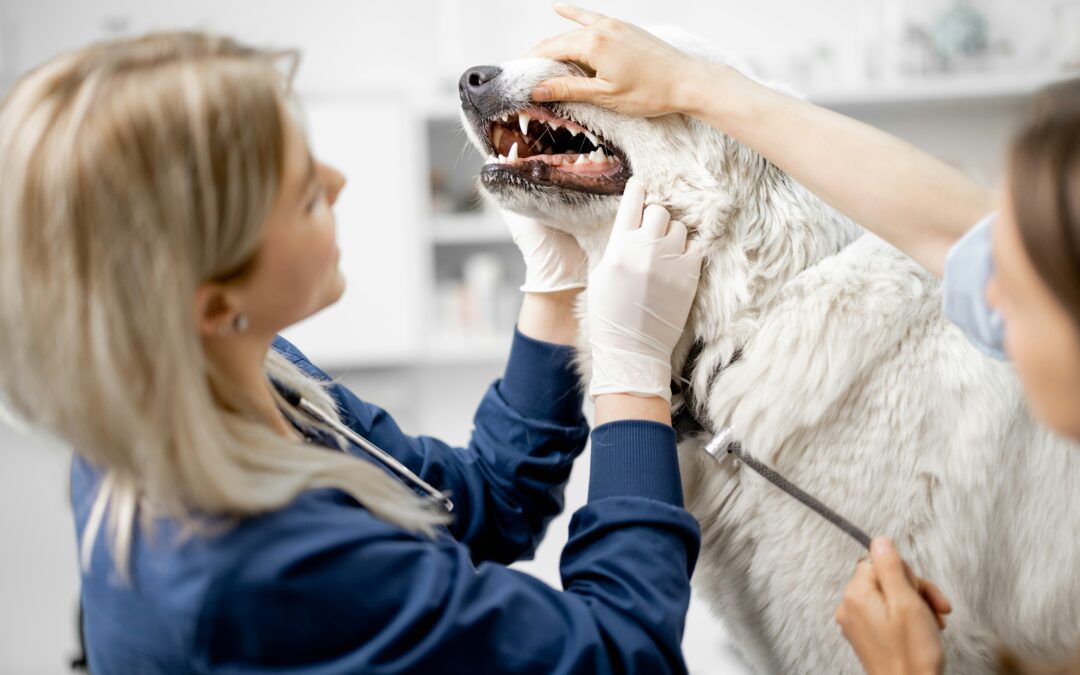
A proper veterinary dental cleaning at Hess Ridge Animal Hospital includes:
- A full exam and often bloodwork
- Anesthesia for safety and comfort
- Dental x-rays to evaluate below the gum line
- Cleaning, scaling, and polishing
- Treatment of any diseased teeth if needed
This allows veterinarians to treat the source of the problem, not just the surface.
Is anesthesia safe for pet dental cleanings?
When performed properly, anesthesia is very safe. Veterinary teams use advanced monitoring equipment to track heart rate, oxygen levels, and breathing throughout the procedure. Anesthesia also allows for a thorough and pain-free cleaning.
What is the difference between anesthesia-free dental cleaning and a real dental procedure?
Anesthesia-free cleanings only address the visible surface of the teeth. They do not treat disease below the gum line, where most dental problems exist. A full veterinary dental cleaning allows for proper diagnosis and treatment.
What happens if I don’t get my pet’s teeth cleaned?
Dental disease will continue to progress. This can lead to:
- Increased pain
- Infection
- Tooth loss
- Difficulty eating
- Potential effects on the heart, liver, and kidneys
Early treatment is much easier and more comfortable than waiting.
Will my pet still be able to eat if teeth are removed?
Yes. Pets adapt very well after extractions. In fact, most pets eat better once painful teeth are removed because they are no longer avoiding discomfort.
How often do dogs and cats need dental cleanings?
Most pets need dental cleanings every 1 to 2 years, but this varies based on breed, genetics, and overall dental health. Some pets may need more frequent care, while others may need less.