A dog who once raced to the door may begin taking their time getting up. A cat who used to jump onto the windowsill may start choosing a lower spot to rest. These changes can seem like ordinary signs of aging, and sometimes they are. But they can also be early clues that your pet needs a different approach to wellness care.
As dogs and cats grow older, their health needs change. The food that worked well for them years ago may no longer be the best fit. Their activity level may shift, their bodies may become less resilient, and conditions that were less likely earlier in life may become more relevant. Some changes happen gradually enough that families adjust without realizing how different their pet’s daily habits have become.
At Hess Ridge Animal Hospital, we believe wellness care should evolve with the pet. An older animal does not need to be treated as though they are simply a younger pet with more birthdays. They need an individualized plan that considers their current health, comfort, behavior, lifestyle, and risk factors.
The goal is not to stop aging. It is to recognize changes early, address problems when possible, and help your dog or cat maintain a good quality of life throughout their senior years.
When Does a Dog or Cat Become a Senior Pet?
There is no single age that applies to every dog and cat. Size, breed, genetics, previous health concerns, and individual development all influence how an animal ages.
Dogs can age at different rates depending partly on their size. A large-breed dog may enter its senior years earlier than a small-breed dog. Cats also have age-related health needs, but their changes may be less obvious because many cats are skilled at maintaining familiar routines even when something is bothering them.
This is why age alone should not determine your pet’s care plan.
A seven-year-old dog who remains active and comfortable may have different needs from a seven-year-old dog who has gained weight, struggles with stairs, or has a history of health problems. Likewise, two cats of the same age may have very different wellness priorities.
Instead of waiting for a specific birthday to change your pet’s care, use age as a reason to discuss what should be evaluated next. Your veterinarian can help determine when your pet’s wellness plan should change based on their size, breed, medical history, and current condition.
Why Senior Pet Wellness Visits Matter
A wellness appointment is an opportunity to look at the whole animal, not just address an obvious symptom.
When a pet is younger and appears healthy, families may focus on routine preventive care. As that pet ages, the same appointment can become an important opportunity to reassess comfort, mobility, appetite, weight, behavior, and changes in everyday function.
For example, a dog who has gradually become less enthusiastic about walks might be experiencing discomfort rather than simply losing interest in exercise. A cat who spends more time sleeping in one location might be comfortable there, or may be avoiding furniture and elevated areas that have become difficult to reach.
These observations matter because pets cannot explain what they are feeling. They may not show a clear sign of illness until a problem has progressed, and some changes are so gradual that they are difficult to recognize without comparing current behavior with the pet’s previous normal.
During a senior wellness visit, we can discuss what you have noticed at home, perform a physical examination, and determine whether additional evaluation or changes to the care plan are appropriate.
The purpose is not to assume that every change is a disease. It is to avoid dismissing potentially important changes simply because a pet is getting older.
Subtle Changes That Deserve Attention
One of the most useful things you can do for an aging pet is pay attention to small changes in routine. You do not need to monitor every movement or become concerned about every quiet day. What matters is noticing patterns, especially when a change persists or affects your pet’s comfort.
Changes in movement and mobility
Your dog may take longer to stand after resting, hesitate before jumping into the car, or seem less interested in activities they once enjoyed. Your cat may stop jumping onto a favorite chair or begin using lower surfaces around the house.
Changes in movement can have several explanations. Joint discomfort, muscle loss, weight changes, injuries, and other medical conditions can affect how easily an animal moves.
Do not assume that limping, stiffness, or reluctance to jump is an unavoidable part of aging. Tell your veterinarian what you have observed, including when the behavior started and which activities seem difficult.
A short video of your pet walking, standing, using stairs, or attempting a familiar activity can also be helpful if the behavior does not occur during the appointment.
Changes in appetite and drinking
A pet who eats less, suddenly becomes much hungrier, or begins drinking noticeably more water deserves attention. These changes may relate to diet, routine, dental discomfort, or an underlying medical condition.
For cats in particular, changes in water intake can be easy to miss. If you have multiple pets sharing a water bowl, it may be difficult to tell which animal is drinking more. Paying attention to litter box habits, appetite, and the amount of water available can help you recognize a pattern.
Avoid assuming that an older pet naturally needs less food or water. Discuss persistent changes with your veterinarian so the cause can be assessed.
Changes in body weight
Weight changes can develop slowly. A pet may gain weight because activity has decreased while food portions remain the same. Another pet may lose weight despite eating normally or even showing increased appetite.
Both patterns deserve attention.
Weight alone does not tell the whole story. Muscle condition and body condition also matter, especially in older animals. A pet can lose muscle while retaining excess body fat, making the change less obvious when you look only at the number on the scale.
Regularly weighing your pet, when practical, and discussing changes during wellness appointments can help identify trends before they become more significant.
Changes in behavior or social interaction
Some aging pets become less tolerant of handling, withdraw from family activities, vocalize more, or seem unsettled at certain times of day. Others may become unusually clingy or less interested in play.
Behavior can change for many reasons, including pain, sensory changes, stress, and medical conditions. It is important not to label a new behavior as stubbornness or a personality change without considering the possibility that your pet is uncomfortable.
Tell your veterinarian what is different, how often it happens, and whether anything seems to trigger it. Specific examples are more useful than a general description that your pet is acting strangely.
Senior Dogs May Need a Different Approach to Exercise
Exercise remains valuable for many older dogs, but the right routine may look different from the one that worked when they were younger.
A dog who used to enjoy long hikes may now do better with shorter walks or several manageable outings throughout the day. Another dog may remain active but need more recovery time afterward. The appropriate amount of activity depends on the individual dog’s health, mobility, body condition, and medical history.
The goal is to support movement without repeatedly pushing your dog beyond what they can comfortably handle.
Watch how your dog responds during and after activity. Are they eager to continue, or do they lag behind? Do they seem stiff after resting? Are they noticeably more tired than usual? These details can help guide a conversation about an appropriate exercise plan.
You may also need to make small adjustments at home. Runners or nonslip mats can improve traction on slippery floors. A comfortable resting area can make it easier for a dog to settle down. Ramps or steps may help some dogs reach familiar places, provided they can use them safely.
If your dog suddenly becomes reluctant to exercise, has persistent limping, or struggles to stand, do not simply reduce activity and assume the issue is resolved. Arrange a veterinary evaluation to determine what is happening.
Senior Cats Need Special Attention to Their Everyday Habits
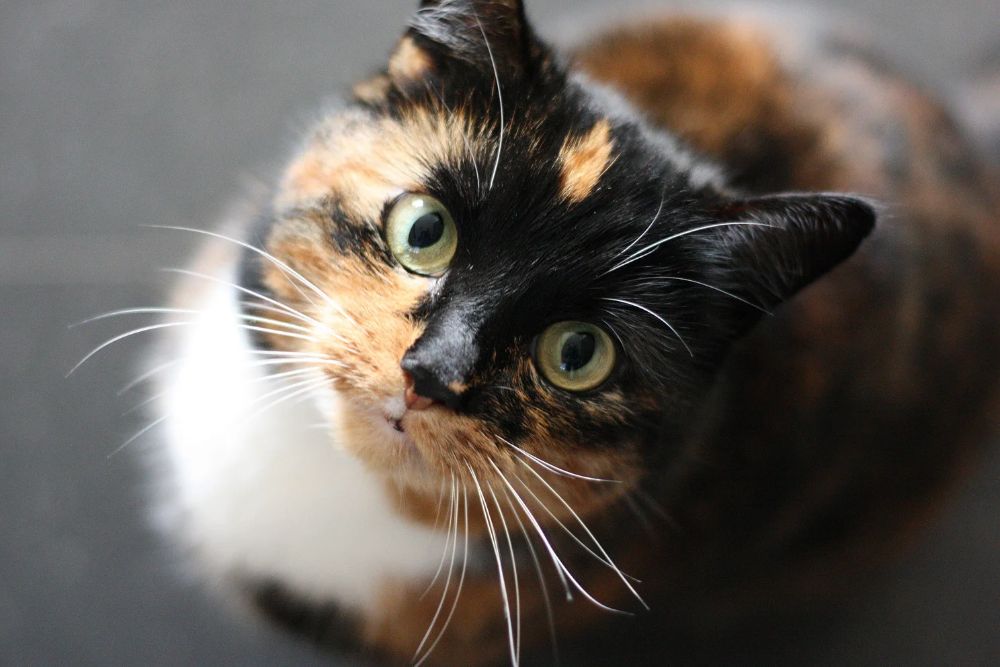
Cats often hide discomfort, and their changes can be particularly subtle. A cat may continue eating, using the litter box, and interacting with the family while quietly changing how they move around the house.
Look for differences in jumping, grooming, resting locations, litter box use, and social behavior.
For example, a cat who no longer climbs to a high perch may be having difficulty with the movement required. A cat with a coat that looks less well groomed may need help because grooming has become uncomfortable or difficult. Changes in litter box habits can have several causes and should not automatically be attributed to age or behavior.
You can make the home easier to navigate without removing the activities your cat enjoys. Consider providing steps or lower resting areas, placing essentials where your cat can reach them comfortably, and making sure litter boxes are accessible.
If your cat has difficulty entering a high-sided litter box, a more accessible option may help, depending on the underlying issue. However, a sudden change in urination, straining, repeated trips to the litter box, or inability to pass urine requires prompt veterinary attention. Inability to urinate is an emergency, especially in male cats.
These practical adjustments can improve daily comfort, but they do not replace an examination when a new problem appears.
Nutrition and Body Condition Should Be Reassessed
An older pet’s nutritional needs may change as their activity, muscle mass, and health status change. That does not mean every senior pet automatically needs a senior-labeled food or a restricted diet.
The best choice depends on the individual animal.
A pet who has become less active may need a different calorie intake to maintain a healthy body condition. Another may need a diet tailored to a diagnosed medical condition. Some older pets need particular attention to maintaining adequate nutrition and muscle rather than losing weight.
Portion sizes deserve a fresh look, especially if your pet’s exercise routine has changed. Treats count toward daily calorie intake, too. Families may give the same amount of food out of habit even after their pet’s activity level has decreased.
At the same time, unexplained weight loss should not be managed simply by feeding more. If your pet is losing weight without an obvious reason, a veterinary evaluation can help determine whether an underlying problem is involved.
Before switching foods, adding supplements, or making a major dietary change, discuss your pet’s condition and goals with your veterinarian. A plan that supports one senior pet may not be appropriate for another.
Preventive Care Should Evolve With Your Pet
Preventive care is not a checklist that stays the same for an animal’s entire life. As your pet ages, the questions we ask and the recommendations we make may change.
The physical examination remains important because it allows us to assess your pet’s overall condition and investigate concerns raised by the family. Depending on the animal’s age, breed, history, and findings, we may also discuss additional screening or diagnostic tests.
For some pets, establishing a health baseline earlier in life can make future changes easier to interpret. As a pet reaches its senior years, revisiting that baseline and considering age-related risks may help the veterinary team make more informed recommendations.
The appropriate approach is individualized. A senior wellness plan should not automatically include every available test, nor should an older pet’s needs be overlooked because they seem healthy at home. The goal is to choose care that is relevant to the pet in front of us.
At Hess Ridge Animal Hospital, we want families to understand why a recommendation is being made, what information it may provide, and how it fits into the pet’s overall care. We also recognize that families have different budgets and priorities. Open communication helps us discuss practical options and decide on a reasonable plan together.
Comfort Is Part of Health
When people think about senior pet care, they often focus on diagnosing and treating disease. Those things matter, but everyday comfort deserves attention, too.
Consider how easily your pet can get to their food and water, reach a resting place, move across the floor, and participate in familiar family activities. Small changes in the home may reduce unnecessary difficulty.
For dogs, that might mean avoiding repeated high-impact activity if it aggravates a known problem, providing traction on slippery surfaces, or adjusting walks to suit their current ability. For cats, it may mean making favorite resting areas easier to reach and ensuring essential resources are accessible.
Comfort also includes keeping up with grooming, nail care, and routine handling. Overgrown nails can interfere with normal movement, while changes in grooming tolerance may signal that something needs attention.
If your pet resists being touched in a particular area, reacts differently during grooming, or has difficulty getting comfortable, let your veterinarian know. Do not force an activity that appears painful or unsafe.
These adjustments are not a substitute for medical care. They are part of a broader approach that considers how your pet feels and functions throughout the day.
When Should You Schedule an Appointment?
Do not wait for your pet’s next routine wellness visit if you notice a new or persistent change that concerns you. The timing of an appointment depends on the symptom and how quickly it developed.
Changes such as gradual stiffness, persistent appetite differences, unexplained weight changes, new behavior patterns, or a noticeable decline in activity should be discussed with your veterinary team.
More urgent symptoms require faster action. Difficulty breathing, collapse, severe weakness, repeated vomiting, a swollen abdomen, significant pain, or an inability to urinate can indicate an emergency. Contact a veterinary professional promptly for guidance rather than waiting to see whether the problem goes away.
It can help to keep a short record of changes you notice. Include when the issue began, how often it occurs, whether it is getting worse, and any changes in appetite, drinking, urination, bowel movements, sleep, or mobility. Photos and videos can provide useful context.
You do not need to have all the answers before contacting your veterinarian. Sharing what you have noticed is an important first step.
Build a Senior Wellness Plan Around Your Pet
There is no single routine that works for every aging dog or cat. Some pets remain active and comfortable well into their senior years, while others need adjustments earlier. Many will benefit from a plan that changes as their needs become clearer.
Start by discussing your pet’s current health, daily habits, mobility, nutrition, and any changes you have observed. Ask which concerns deserve attention now, what preventive care is appropriate for their age and history, and which changes should prompt another appointment.
It is also reasonable to discuss costs and priorities. If several recommendations are being considered, ask your veterinarian to explain which are most important, what each one is intended to address, and whether there are practical ways to approach the plan in stages.
At Hess Ridge Animal Hospital, our goal is to work with you to understand your pet as an individual. We want wellness care to be more than a routine appointment. It should be a conversation about what your pet needs to stay as healthy, comfortable, and engaged as possible.
Your pet may not move through the world exactly as they did years ago, but aging does not mean that every change must be accepted without question. Paying attention, adapting the home, and revisiting preventive care can help you respond to your pet’s needs with greater confidence.
If your dog or cat is entering their senior years—or if you have noticed changes that make you wonder whether their current routine still fits—schedule a wellness visit with Hess Ridge Animal Hospital. Together, we can assess where your pet is today and determine what care makes sense for the years ahead.