Why Every Pet Needs a Personalized Preventive Care Plan
By Dr. Michael Skarie, DVM
Owner, Hess Ridge Animal Hospital – Parker, Colorado
One of the most common questions I hear from pet owners is:
“What does my dog or cat actually need to stay healthy?”
The short answer is simple:
There isn’t one wellness plan that’s right for every pet.
Every dog and cat has unique health needs based on their age, breed, lifestyle, medical history, and even their family’s goals. That’s why the best wellness plan isn’t a checklist copied from the internet—it’s one that’s tailored specifically to your pet.
At Hess Ridge Animal Hospital in Parker, Colorado, we believe preventive care should be personalized. Our goal isn’t simply to keep pets up to date on vaccines. It’s to help them live healthier, happier, and longer lives by identifying potential problems before they become serious.
What Is a Pet Wellness Exam?
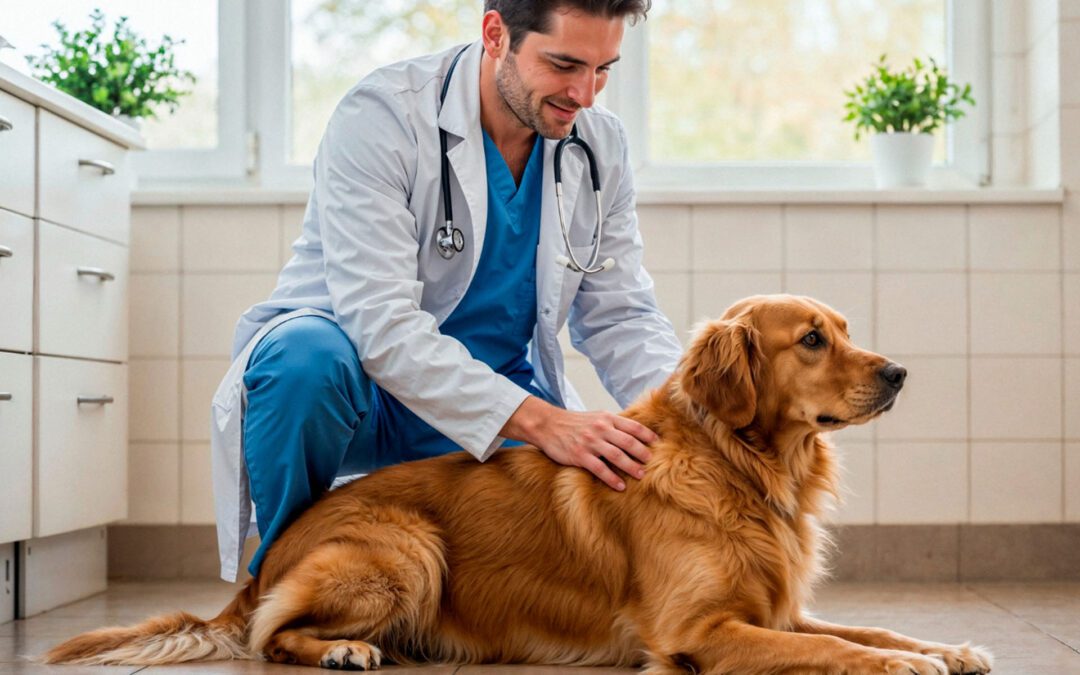
A pet wellness exam is a comprehensive physical examination performed while your pet appears healthy. The purpose is to evaluate their overall health, identify early signs of disease, answer your questions, and develop a preventive care plan based on your pet’s individual needs.
A wellness visit may include:
- A nose-to-tail physical examination
- Weight and body condition assessment
- Discussion about nutrition
- Vaccine recommendations
- Parasite prevention
- Dental evaluation
- Behavior assessment
- Pain screening
- Laboratory screening when appropriate
- Recommendations based on your pet’s lifestyle
Rather than waiting until a pet becomes sick, wellness care focuses on preventing disease and catching medical problems as early as possible.
Why Isn’t Every Wellness Plan the Same?
Because every pet lives a different life.
Consider two three-year-old dogs.
One spends weekends hiking, visits dog parks, boards regularly, swims in lakes, and attends daycare.
The other spends nearly all of its time indoors and only goes outside for neighborhood walks.
Although they’re the same age, their risk factors are completely different. Their vaccination recommendations, parasite prevention, diagnostic screening, and overall preventive care may differ as well.
The same is true for cats. An indoor-only cat has different health risks than a cat that spends time outdoors.
Good veterinary medicine considers the whole patient—not just their age.
What Factors Affect My Pet’s Wellness Plan?
When creating a wellness plan, veterinarians consider several important factors.
Age
Puppies, adult pets, and senior pets all have different preventive care needs.
Breed
Some breeds are predisposed to certain diseases that may benefit from earlier monitoring or screening.
Lifestyle
Boarding, hiking, dog parks, travel, daycare, hunting, and outdoor access all influence health recommendations.
Medical History
Previous illnesses, surgeries, medications, and chronic conditions help guide future care.
Nutrition
Diet plays a critical role in long-term health and often changes throughout a pet’s life.
Family Goals
Every family has different priorities, budgets, and preferences. Wellness care works best when recommendations fit both the pet and the people caring for them.
What Does a Puppy or Kitten Need During Wellness Visits?
The first year of life focuses on healthy growth, disease prevention, and building a strong foundation for lifelong health.
These visits commonly include:
- Vaccination series
- Deworming and parasite prevention
- Nutrition guidance
- Growth monitoring
- Behavior and training discussions
- Spay and neuter planning
- Early detection of congenital conditions
These appointments also give owners an opportunity to ask questions before small concerns become bigger problems.
What Happens During Adult Pet Wellness Exams?
Adult wellness visits focus on maintaining health and detecting disease before clinical signs become obvious.
During these visits, your veterinarian evaluates:
- Weight changes
- Body condition
- Dental health
- Skin and coat
- Heart and lungs
- Eyes and ears
- Nutrition
- Behavior
- Pain or mobility changes
- Parasite prevention
- Vaccine recommendations
Many medical conditions begin long before owners notice symptoms. Routine examinations help identify these problems earlier, when treatment is often easier and more effective.
Why Are Wellness Exams So Important for Senior Pets?
As pets age, the risk of chronic disease increases significantly.
Many age-related diseases develop gradually, and dogs and cats often hide illness surprisingly well.
Senior wellness evaluations may include additional screening for:
- Arthritis
- Kidney disease
- Liver disease
- Thyroid disease
- Heart disease
- Diabetes
- High blood pressure
- Dental disease
- Cancer
- Cognitive dysfunction
Early diagnosis often provides more treatment options and can improve both quality of life and long-term outcomes.
Does My Indoor Cat Still Need Annual Wellness Exams?
Yes.
Although indoor cats generally face fewer infectious disease risks, they are still susceptible to many common medical conditions, including dental disease, obesity, arthritis, kidney disease, thyroid disease, and diabetes.
Routine wellness examinations allow veterinarians to identify these problems before they become advanced.
Why Does Lifestyle Matter So Much?
Lifestyle is one of the biggest factors influencing preventive care recommendations.
For example, pets that frequently visit:
- Dog parks
- Boarding facilities
- Groomers
- Hiking trails
- Daycare
- Campgrounds
may benefit from different vaccination schedules or parasite prevention than pets that spend most of their time at home.
There is no universal recommendation that fits every dog or cat.
That’s why asking questions about your pet’s daily life is such an important part of every wellness visit.
Is Dental Health Part of a Wellness Exam?
Absolutely.
Dental disease is one of the most common medical conditions seen in dogs and cats, yet it often develops silently.
Many pets continue eating despite significant oral discomfort.
That’s why every wellness examination at Hess Ridge Animal Hospital includes a thorough oral examination.
Identifying dental disease early often allows treatment before infections become severe, teeth require extraction, or pets begin experiencing chronic pain.
Does My Healthy Pet Need Bloodwork?
Sometimes, yes.
Many diseases develop months—or even years—before pets show obvious symptoms.
Depending on your pet’s age, breed, medical history, and risk factors, your veterinarian may recommend screening bloodwork or urine testing to establish a baseline or detect disease earlier.
Routine laboratory screening can identify problems such as:
- Kidney disease
- Liver disease
- Diabetes
- Thyroid disease
- Anemia
- Electrolyte abnormalities
Not every pet requires the same testing, which is why recommendations are individualized.
Why Are Annual Wellness Exams Important Even If My Pet Seems Healthy?
Dogs and cats are remarkably good at hiding illness.
By the time obvious symptoms appear, disease may already be advanced.
Annual—and sometimes twice-yearly for senior pets—wellness exams provide an opportunity to identify subtle changes before they become serious problems.
Preventive care is almost always easier, less invasive, and often less expensive than treating advanced disease.
Wellness Care Is a Partnership
One of the things I enjoy most about wellness visits is the conversation.
The most valuable information doesn’t always come from a physical exam or laboratory testing. It often comes from you.
You know your pet better than anyone else.
A slight decrease in energy, a change in appetite, drinking a little more water, hesitating before jumping onto the couch, or simply acting “not quite right” can all provide important clues.
There are no insignificant questions during a wellness visit.
The more we understand about your pet’s daily life, the better we can tailor recommendations to keep them healthy.
Our Philosophy at Hess Ridge Animal Hospital
At Hess Ridge Animal Hospital, we don’t believe in checking boxes or recommending the same plan for every patient.
Instead, we believe in listening.
We listen to your concerns.
We learn about your pet’s lifestyle.
We discuss your goals.
Then we work together to create a wellness plan that’s tailored specifically to your pet.
Because the best preventive care isn’t one-size-fits-all.
It’s individualized.
Frequently Asked Questions
How often should my dog or cat have a wellness exam?
Are vaccines the main purpose of a wellness visit?
Can a wellness exam detect disease before my pet gets sick?
Does every pet need the same vaccines?
What should I bring to my pet's wellness appointment?
Schedule Your Pet’s Wellness Exam
Every dog and every cat deserves a preventive care plan designed specifically for them.
At Hess Ridge Animal Hospital, we believe wellness care is about more than annual checkups—it’s about building a long-term partnership focused on helping your pet live the healthiest, happiest life possible.
Whether you’ve just welcomed a new puppy or kitten into your family, have an active adult companion, or are caring for a beloved senior pet, we’re here to help you make informed decisions every step of the way.
If your pet is due for a wellness exam or you’d like to discuss the best preventive care plan for their stage of life, we’d love to meet you.
Contact Hess Ridge Animal Hospital in Parker, Colorado, to schedule your pet’s wellness visit today.