By Michael Skarie, DVM
Owner, Hess Ridge Animal Hospital | Parker, Colorado
When most pet owners hear the words dog dental cleaning or cat dental cleaning, they often think of bad breath, stained teeth, or something cosmetic that can wait.
But the truth is much different.
Dental disease in dogs and cats is one of the most common medical conditions we see, and it often causes pain long before families realize anything is wrong. Many pets continue eating, playing, and acting “normal” while quietly living with chronic oral discomfort.
At Hess Ridge Animal Hospital, we believe pet dentistry is about much more than clean teeth. It is about comfort, health, quality of life, and helping your pet feel like themselves again.
If you have been wondering whether your dog or cat needs dental care, here is what every pet owner should know.
Dental Disease in Dogs and Cats Starts Earlier Than Most Owners Realize
One of the biggest surprises for pet owners is how early dental disease can begin.
Many dogs and cats develop some level of dental disease by the age of three. Plaque builds up quickly, tartar hardens along the gumline, and bacteria begin creating inflammation below the surface.
What you can see on the outside is often only a small part of the story.
That means a pet may look fine at home while infection, gum disease, loose teeth, or painful root damage are already developing underneath the gums.
This is why routine dog dental cleaning and cat dental cleaning matter so much. Preventing disease early is always easier, safer, and less expensive than treating advanced disease later.
Signs Your Dog or Cat May Have Dental Pain
Pets are incredibly good at hiding pain. That instinct is part of their nature. Instead of crying or obvious distress, they usually show subtle changes like:
- Eating slower than usual
- Chewing on one side
- Dropping food while eating
- Preferring soft food over kibble
- Bad breath
- Less interest in toys or play
- Becoming more withdrawn
- Acting irritable
- Hiding more often
Many families assume these changes are just aging.
In reality, dental pain is often the cause.
If your dog or cat seems “off” and you cannot explain why, the mouth is one of the first places we recommend checking.
Why Dog and Cat Dentistry Is About More Than Teeth
The mouth is connected to the rest of the body.
When gums are inflamed or infected, bacteria and inflammation can affect the body beyond the mouth. In some pets, chronic oral disease may add stress to organs such as the heart, liver, and kidneys, especially when dental disease is advanced or long-standing.
That does not mean every pet with dental disease will develop organ problems, but chronic oral infection is something we take seriously because it can affect overall wellness.
Good dental care helps reduce pain, improve oral health, and support the body as a whole.
What Happens During a Professional Dog or Cat Dental Cleaning?
A real veterinary dental cleaning is very different from cosmetic cleaning or anesthesia-free cleaning.
At Hess Ridge Animal Hospital, our goal is to do dentistry the right way—with safety, thoroughness, and patient comfort as priorities.
A professional pet dental procedure typically includes:
Full Physical Exam
We examine your pet the day of the procedure to make sure they are healthy and ready for anesthesia.
Pre-Anesthetic Bloodwork
Blood testing helps us evaluate internal health and create the safest plan possible.
IV Catheter and Customized Anesthesia
This gives us immediate access for fluids and medications while keeping your pet safely asleep and comfortable.
Airway Protection
A breathing tube protects the airway from water, bacteria, and debris during the cleaning.
Constant Monitoring
We monitor heart rate, oxygen, blood pressure, breathing, and anesthetic depth throughout the procedure.
Full Dental Cleaning
We clean above and below the gumline where disease commonly hides.
Dental X-Rays
Many painful problems cannot be seen from the outside. Dental radiographs help us evaluate roots, bone loss, fractures, and hidden disease.
Extractions or Treatment if Needed
If diseased teeth are causing pain, treatment may be recommended during the procedure.
Why Anesthesia Is Necessary for Real Pet Dentistry
We understand anesthesia can sound intimidating to pet owners. But in veterinary dentistry, anesthesia is what allows safe, complete, and pain-free treatment. Without anesthesia, it is not possible to:
- Clean below the gumline thoroughly
- Take full dental x-rays
- Perform extractions comfortably
- Protect the airway properly
- Keep pets still enough for precise treatment
An anesthesia-free cleaning may improve appearance temporarily, but it does not address the disease where it matters most—below the surface.
What Pet Owners Often Notice After Dental Treatment
One of the most rewarding parts of dentistry is hearing from families afterward.
We often hear comments like:
- “My dog is acting younger again.”
- “She is eating better than she has in months.”
- “He wants to play again.”
- “She seems happier.”
- “I didn’t realize how much pain he was in.”
That is because once chronic discomfort is removed, pets frequently return to their normal personalities.
Some even do better after losing painful teeth than they did while keeping them.
A comfortable mouth matters far more than the number of teeth present.
How to Help Prevent Dental Disease at Home
Professional care is important, but home care also makes a difference. We commonly recommend:
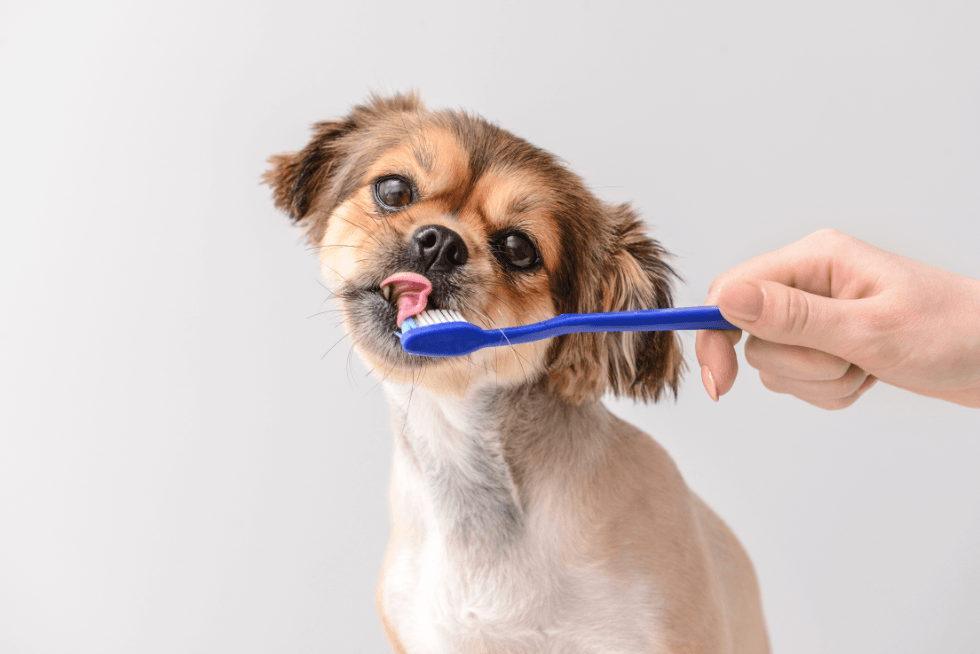
- Daily tooth brushing if tolerated
- Veterinary-approved dental chews
- Dental diets when appropriate
- Routine wellness exams
- Scheduling dental cleanings when recommended
Consistency matters more than perfection. Even small efforts can help slow plaque buildup.
When to Schedule a Dog or Cat Dental Evaluation
Your pet may benefit from an exam if you notice:
- Bad breath
- Red gums
- Tartar buildup
- Difficulty chewing
- Dropping food
- Facial swelling
- Pawing at the mouth
- Behavioral changes
- Reduced appetite
Even if you do not notice symptoms, routine exams help us catch issues early.
Real Dentistry. Real Comfort. Real Quality of Life.
At Hess Ridge Animal Hospital, we believe dog and cat dentistry should never be rushed or treated as cosmetic.
It is medical care that improves comfort, supports long-term health, and helps pets live happier lives.
If your dog or cat may be due for a dental exam, our team is here to guide you through every step with compassion, education, and personalized care.