The Hidden Problems Routine Exams Catch in Dogs and Cats Before They Become Serious
By Dr. Michael Skarie, DVM
Owner of Hess Ridge Animal Hospital
When most people think about a wellness visit for their dog or cat, they think about vaccines.
A quick appointment. A couple shots. Maybe a refill on preventatives. Then back home.
But that is not what a true wellness visit is supposed to be.
At Hess Ridge Animal Hospital, we view wellness care very differently. A wellness exam is not about checking boxes. It is about finding problems before they become painful, expensive, or life-changing for your pet.
Because the reality is this:
Most dogs and cats are extremely good at hiding discomfort.
Many pets continue eating, wagging their tail, playing fetch, or acting “normal” while quietly living with chronic pain, dental disease, arthritis, heart disease, or internal illness that families do not notice until much later.
That is why routine wellness care matters so much.
Especially when it comes to long-term comfort, quality of life, and preventive dog and cat healthcare.
What Is a Wellness Visit for Dogs and Cats?
A wellness visit is a proactive medical exam focused on prevention and early detection.
Instead of reacting to illness after symptoms become severe, wellness care helps identify subtle changes before your pet becomes obviously sick.
At Hess Ridge Animal Hospital, wellness visits are designed to answer questions like:
- Is there early arthritis developing?
- Are there signs of dental disease?
- Is kidney disease starting in an older cat?
- Are we seeing early heart changes?
- Is your pet gaining or losing weight unexpectedly?
- Are there subtle signs of pain or discomfort?
The goal is simple:
Catch problems early while they are easier to manage and more comfortable for your pet.
In many cases, early detection also helps reduce long-term treatment costs and helps pets maintain a better quality of life as they age.
Why Dogs and Cats Often Hide Pain
One of the biggest misconceptions in veterinary medicine is:
“My pet seems fine.”
The problem is that dogs and cats naturally hide weakness and discomfort extremely well.
Many pets continue to:
- Eat normally
- Wag their tail
- Go on walks
- Play occasionally
Even while dealing with:
- Chronic dental pain
- Arthritis
- Fractured teeth
- Internal disease
- Early organ dysfunction
Because these changes happen slowly over time, families often adapt to the “new normal” without realizing their pet is uncomfortable.
One of the most common things we hear after treatment is:
“I didn’t realize how much better they could feel.”
That is especially true with:
- Arthritis treatment
- Dog and cat dentistry
- Pain management
- Dental extractions
- Senior wellness care
Once chronic discomfort is removed, many pets become more playful, energetic, social, and active again.
What Happens During a Wellness Exam at Hess Ridge Animal Hospital?
A thorough dog or cat wellness exam involves far more than vaccines.
At Hess Ridge Animal Hospital, every wellness visit includes a nose-to-tail evaluation focused on both visible and hidden health concerns.
Weight and Body Condition Assessment
The visit typically starts with obtaining an accurate weight.
This is more important than many pet owners realize.
Unexpected weight gain or weight loss can signal:
- Arthritis
- Thyroid disease
- Kidney disease
- Diabetes
- Heart disease
- Nutritional imbalances
Obesity alone significantly increases the risk of:
- Arthritis
- Diabetes
- Heart disease
- Reduced lifespan
Maintaining a healthy weight is one of the most important things families can do for long-term wellness.
Detailed Medical History
Our care team discusses:
- Diet
- Lifestyle
- Activity level
- Travel history
- Changes at home
- Vomiting or diarrhea
- Coughing or sneezing
- Behavioral changes
- Mobility concerns
Many subtle problems begin with small behavioral changes families may not initially think are important.
Sometimes the smallest detail helps uncover a larger issue.
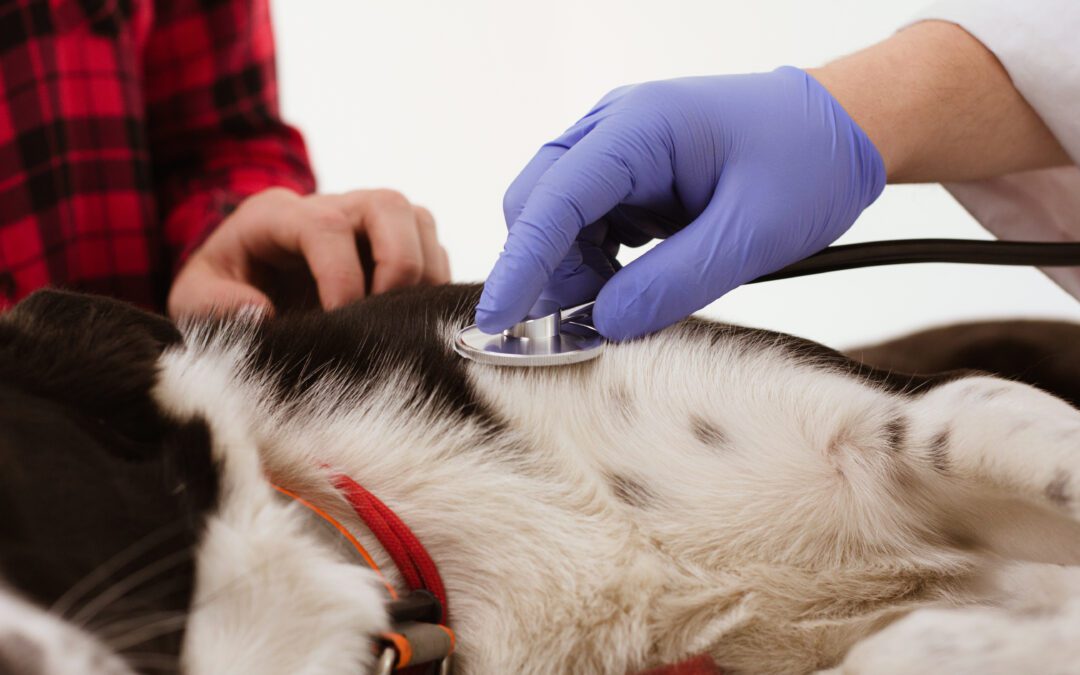
Full Nose-to-Tail Physical Examination
A wellness exam includes evaluating:
- Eyes
- Ears
- Teeth and gums
- Heart and lungs
- Abdomen
- Skin and coat
- Lymph nodes
- Mobility and gait
- Joints and muscles
We are not simply looking for disease.
We are looking for trends, subtle abnormalities, and early warning signs.
For example:
- Enlarged lymph nodes may suggest infection or cancer
- Heart murmurs may indicate early heart disease
- Dental tartar may hide painful infection below the gumline
- Muscle loss may suggest chronic pain or aging concerns
- Changes in movement may indicate arthritis
Sometimes pets appear completely healthy at home while significant issues are quietly developing internally.
One of the Most Common Problems Wellness Visits Catch: Dental Disease
Dog and cat dental disease is one of the most overlooked medical conditions in veterinary medicine.
Many dogs and cats show signs of dental disease by around age three.
Unfortunately, most pets continue eating despite severe oral pain.
We commonly see:
- Fractured teeth
- Gum infections
- Tooth root disease
- Periodontal disease
- Tooth resorption in cats
Some dogs even continue chewing with severely damaged teeth because they adapt and use one side of the mouth.
Owners are often shocked when we show them painful fractured teeth during a routine wellness exam.
And once dental disease is treated, many pets:
- Eat more comfortably
- Become more playful
- Gain energy
- Return to normal behavior
That is why dog and cat dentistry is such an important part of preventive wellness care.
Why Senior Wellness Visits Matter Even More
Dogs and cats age much faster than humans.
Many pets begin entering their senior years around:
- Age 7 for dogs
- Age 10–13 for many cats
As pets age, wellness visits become increasingly important because subtle diseases become more common.
Senior wellness exams often focus on early detection of:
- Kidney disease
- Thyroid disease
- Heart disease
- Arthritis
- Dental disease
- Cancer
- Mobility decline
Catching these conditions early allows us to start supportive care before pets become severely symptomatic.
In many cases, small lifestyle changes early on can dramatically improve both longevity and comfort.
The Role of Bloodwork in Preventive Dog and Cat Healthcare
Routine wellness bloodwork helps identify problems that physical exams alone cannot detect.
At Hess Ridge Animal Hospital, wellness bloodwork is customized based on:
- Age
- Breed
- Lifestyle
- Medical history
For younger pets, baseline bloodwork helps establish what is normal for that individual animal.
For senior pets, bloodwork becomes especially important for identifying:
- Kidney disease
- Liver disease
- Thyroid abnormalities
- Diabetes
- Electrolyte imbalances
- Early organ dysfunction
Cats, in particular, are notorious for hiding kidney disease until it becomes advanced.
Routine wellness testing helps us catch those changes much earlier.
Why Preventive Care Is Usually Easier Than Emergency Care
One of the biggest goals of wellness medicine is preventing avoidable suffering.
When problems are caught early:
- Treatment is often simpler
- Costs are usually lower
- Pets stay comfortable longer
- Outcomes are generally better
When problems are missed for years, treatment often becomes:
- More invasive
- More expensive
- More stressful
- More painful for the pet
For example:
- Early dental disease may be managed with professional dental cleaning before painful extractions become necessary.
- Advanced dental disease may require multiple extractions
- Early arthritis may respond to simple management
- Advanced arthritis may severely limit mobility
The earlier we intervene, the more options families usually have.
Wellness Care Is Not “One Size Fits All”
At Hess Ridge Animal Hospital, we strongly believe veterinary medicine should be individualized.
There is no universal plan for every dog or cat.
Some pets need:
- More frequent monitoring
- Specialized diagnostics
- Breed-specific screening
- Nutritional adjustments
- Earlier arthritis prevention
- Different vaccine schedules
Our job is not to force every pet into the same protocol.
Our job is to help families understand their options and create realistic plans that work for both the pet and the owner.
Because good veterinary medicine is not just about medicine.
It is about listening, educating, collaborating, and building trust.
Signs Your Dog or Cat May Need a Wellness Exam
You should schedule a wellness evaluation if you notice:
- Bad breath
- Weight changes
- Slowing down on walks
- Difficulty jumping
- Behavioral changes
- Eating differently
- Increased sleeping
- Vomiting or diarrhea
- Changes in thirst or urination
- Mobility issues
- Less interest in play
- New lumps or bumps
Even if your pet seems healthy, routine wellness exams remain one of the best ways to catch hidden disease early.
Preventive Veterinary Care Helps Pets Live Longer, More Comfortable Lives
At Hess Ridge Animal Hospital, we believe wellness care is about far more than vaccines or annual checkups.
It is about:
- Preventing suffering
- Identifying disease early
- Improving quality of life
- Supporting longevity
- Helping pets stay active and comfortable for as long as possible
Most importantly, it is about giving pets the chance to feel their best before problems become obvious.
Because many pets do not show us they are hurting.
That is our job.